What Is a Consumer Confidence Report? A North Carolina Primer
A North Carolina Consumer Confidence Report summarizes system water quality; use it for context, not a test of your home’s plumbing.
What comes out of your tap.
City and utility water quality reports, boil-water notices, lead service lines, fluoridation, and what recent state laws changed.
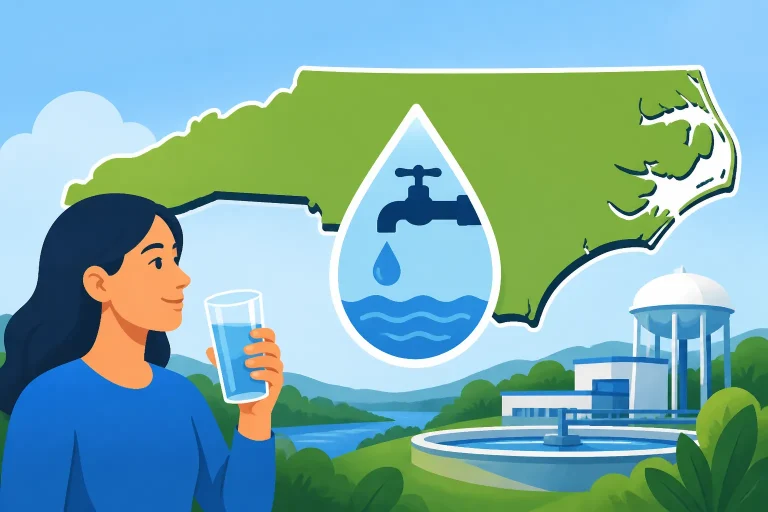
A North Carolina Consumer Confidence Report summarizes system water quality; use it for context, not a test of your home’s plumbing.
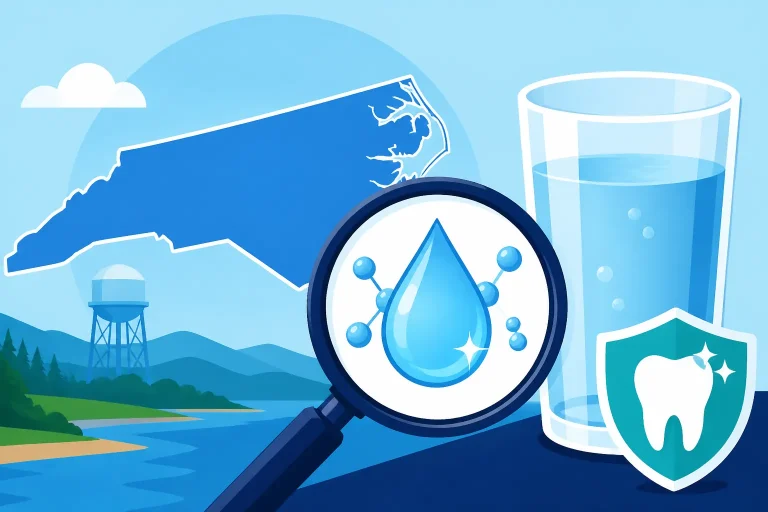
How to find out if a North Carolina utility adds fluoride: identify your supplier, check its reports, and distinguish added fluoride from natural fluoride.
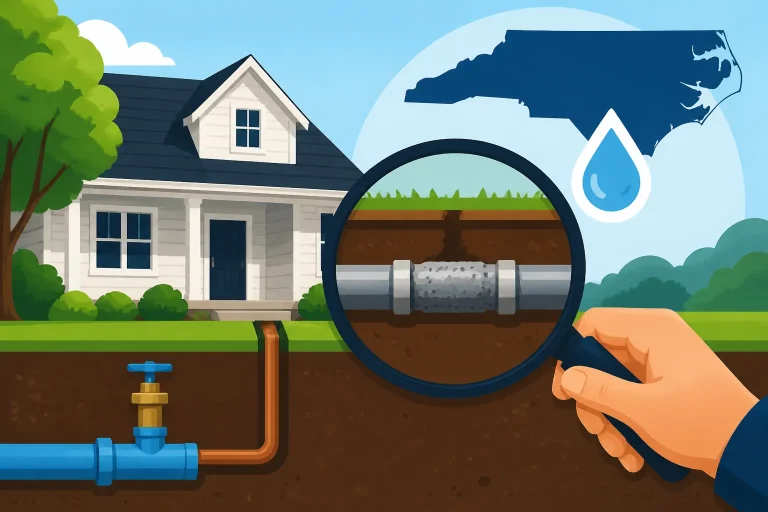
A North Carolina home’s lead service line check starts with the utility inventory, but an unknown entry needs confirmation and is not proof of lead.
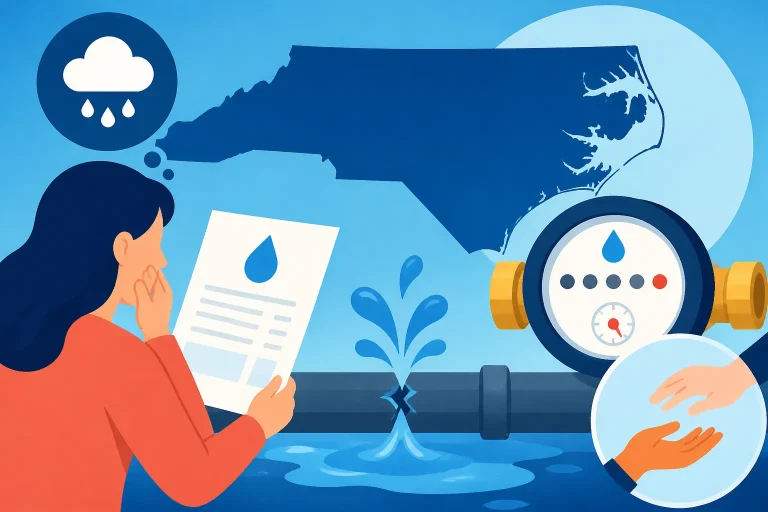
High water bills in North Carolina can stem from leaks, meter readings or billing changes; compare usage, check for water loss and ask the utility to review.
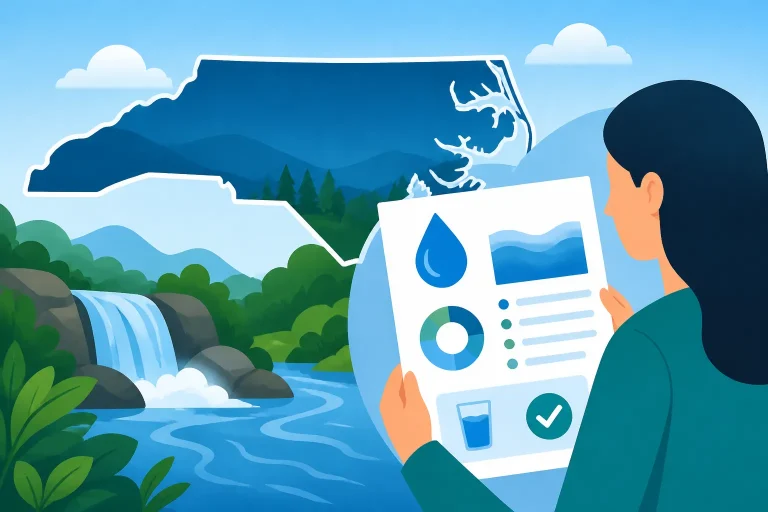
How to Read a North Carolina Water Quality Report: check the reporting period, units, limits and monitoring notes before drawing conclusions about tap water.
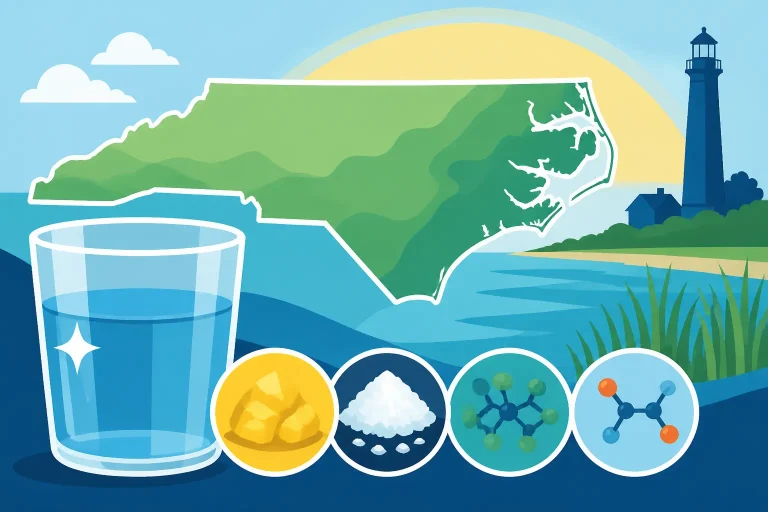
Sulfur, salt, PFAS and GenX can point to different water problems; identify the source, verify with tests, then choose treatment by result.
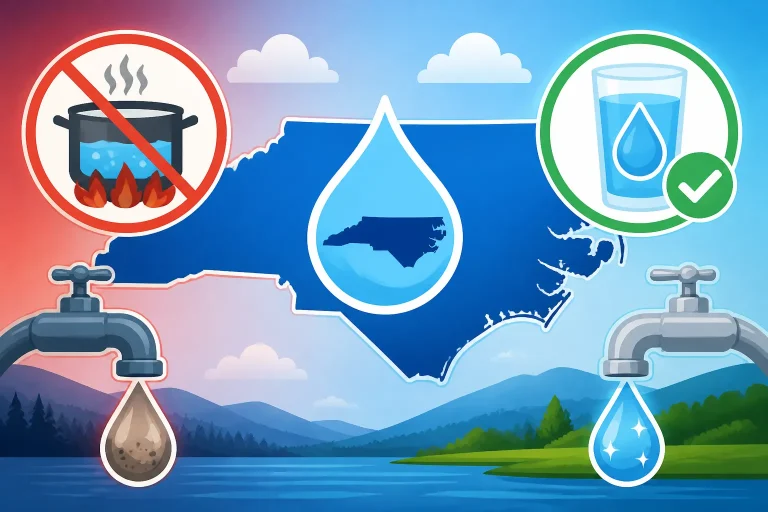
Boil water advisories in North Carolina call for careful use: follow the notice, use bottled or directed water, and wait for official clearance.
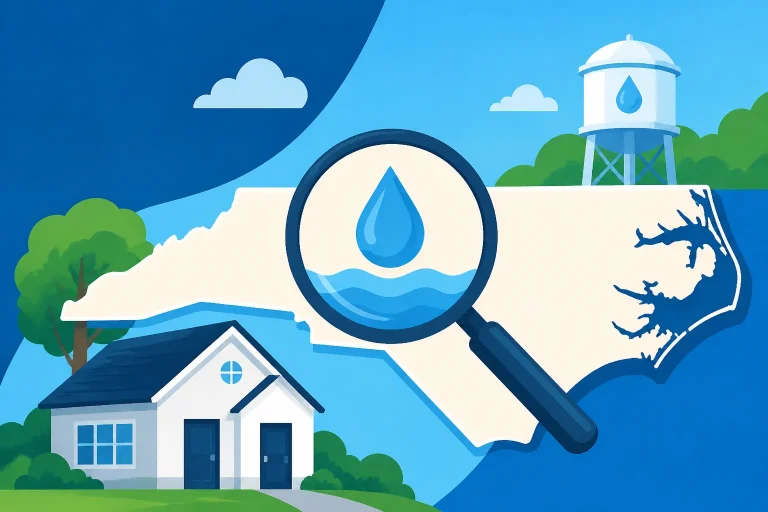
Finding the water supplier for a North Carolina address takes more than checking the nearest utility; verify the system with records and its official provider.